Sunstore - Compact latent buffer storage for heat pumps operated with PV
 | Carsten WemhoenerHead of IET Building System Technology Department and Professor |
A new storage concept based on macro-encapsulated PCM has been evaluated in a pilot plant over four heating periods. The salt-hydrate-based PCM capsules can be retrofitted into existing water storage tanks and, according to a material property analyses, increase the storage capacity by a factor of 2–3.
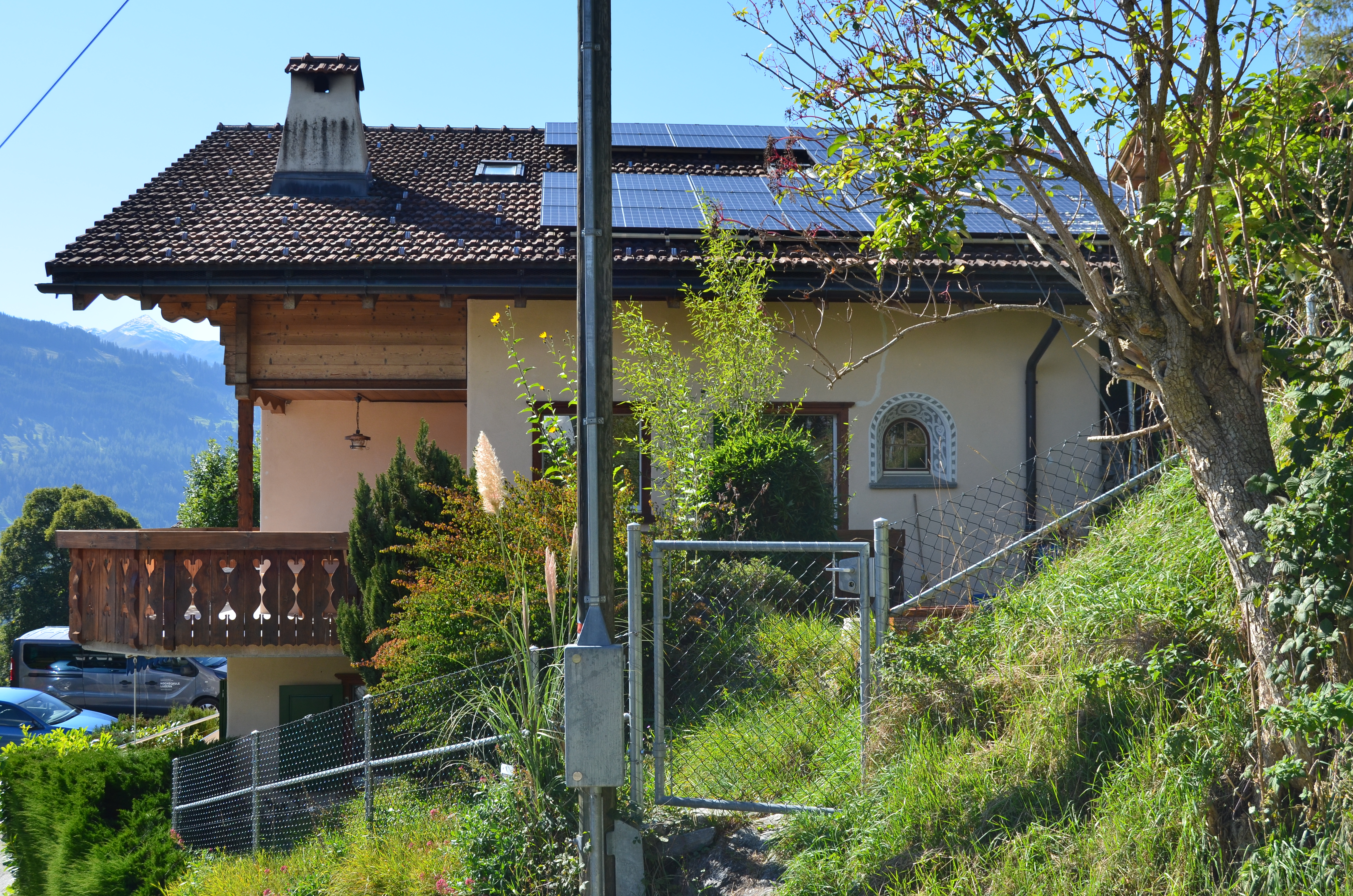
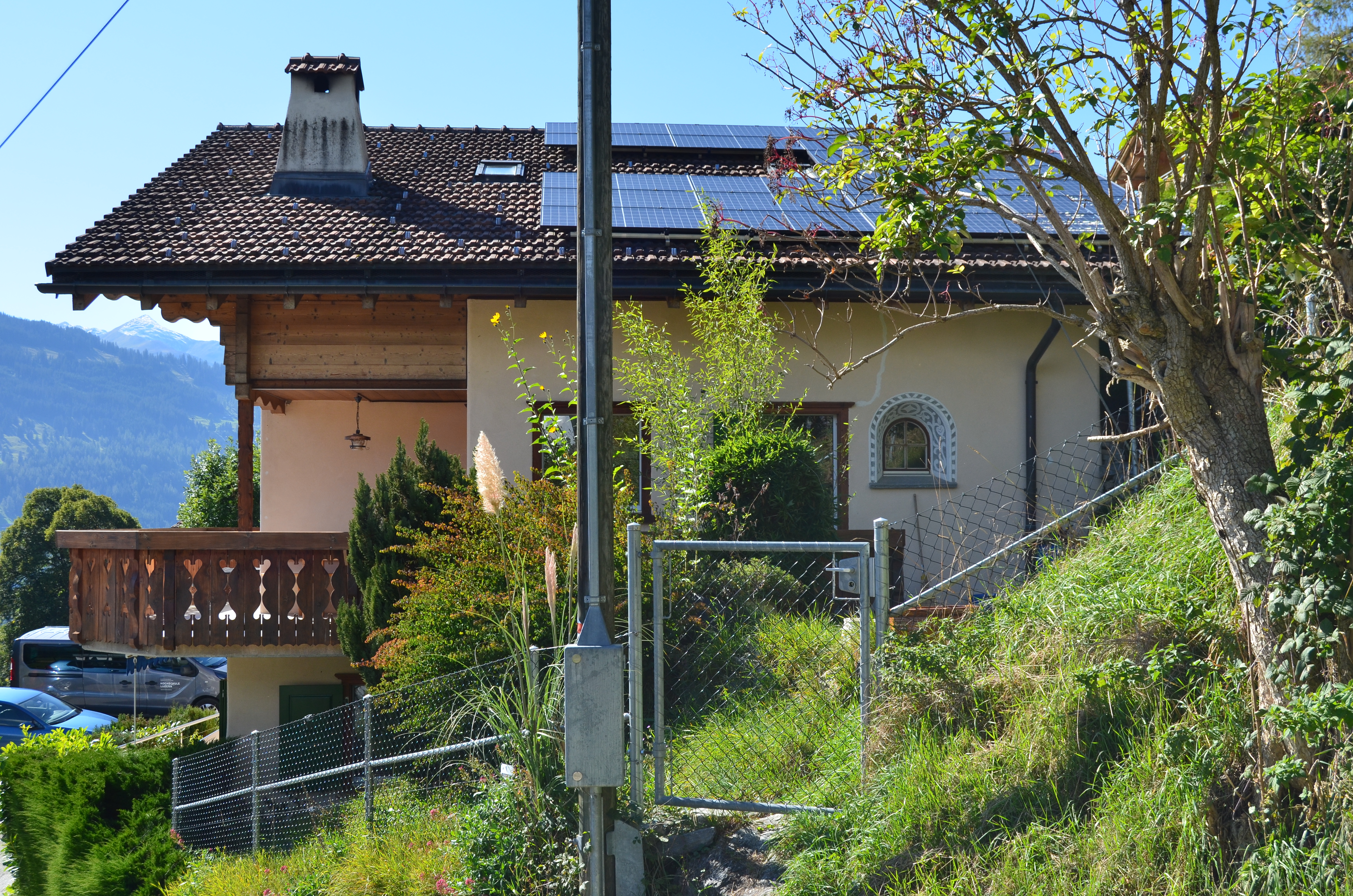
In the pilot plant in Pany, GR, at an altitude of 1178 m a.s.l., the first heating period was measured using the existing water-filled buffer tank as a reference. For heating periods 2–4, different designs of PCM capsules were tested. With the increased storage capacity, the self-consumption of the installed 17 kWp PV-system is expected to rise, along with the annual performance factor, while grid dependency is reduced.
The results of the heating periods with the PCM-filled storage confirm that the self-sufficiency rate (share of self-generated electricity related to the total electricity consumption) could be increased by up to 50% from 21% to 35–40%. The self-consumption rate (share of self-consumed electricity related to total PV output) was only slightly affected, as PV-output increased at the same time. Furthermore, heating demand varied highly over the four periods due to changes in occupancy and outdoor temperature, making it difficult to precisely attribute all effects.
The economic viability of the capsule-based storage could not be conclusively demonstrated in this project because the comparison periods varied highly in terms of heating demand and PV yield and because future electricity tariffs play a major role. In the best case, a payback period of 12 years could be assumed based on the tariffs investigated here.
An increase in the annual performance factor was not observed in the pilot plant. Consequently, the PCM storage also showed higher cycling behaviour due of the lower heat capacity in solid state of the PCM. A detailed analysis of storage behaviour shows that the storage capacity increased by up to approx. 80% compared to the water tank, and storage occurred at a lower temperature level. However, a limitation was identified: the charging and discharging performance of the PCM-filled storage is restricted by limited heat transfer between the storage water and the capsules, which reduces the use of the full capacity. This is being addressed through a new storage design.
Due to lack of scalability, quality issues with the capsules, and advanced parallel development, it was decided at the beginning of 2024 not to continue the capsule concept and to replace it with a compact, fully PCM-filled storage concept – the Compact Cell. The new concept allows for very compact storage compared to water tanks. Space is often very limited, especially in renovation projects, and installing a sufficiently large buffer tank is not always possible. An undersized tank can cause problems such as excessive cycling (reducing lifetime of the components). The Compact Cell provides a solution by offering sufficient storage capacity in a small space. Furthermore, a domestic hot water tank is integrated into the concept, which significantly expands the application range .
The final report (in German) can be accessed at the link https://www.aramis.admin.ch/Default?DocumentID=73992&Load=tr
Authors: Christoph Meier, Carsten Wemhoener, Marc Werro, Bercan Siyahhan, Philipp Roos, Roger Zimmermann, Remo Waser
Note: The pilot plant measurements of the capsule storage concept was performed outside the Renowave project.